From the foundations of planetary science to instruments, experiments and data analysis, we connect classroom learning with the experience of asking and testing questions. These examples draw on our 2026 lecture and project materials.
Space resources and planetary geology
Space-resources teaching connects planetary science, exploration and utilisation technologies, economics and institutions. Planetary geology develops the foundations for reading the history of a surface from images and landforms. Understanding a phenomenon and constructing an explanation are both central to the learning process.
Project topics for learning through investigation
The following topics appear in the 2026 introductory project materials. Activities are adjusted to the progress of each course or research project.
01 / Find features in exploration images
Identify craters and boulders in images and compare their shapes and distributions. Check image-analysis and machine-learning outputs against observations, and consider what these features suggest about surface history.
02 / Explore a lunar instrument through models and experiments
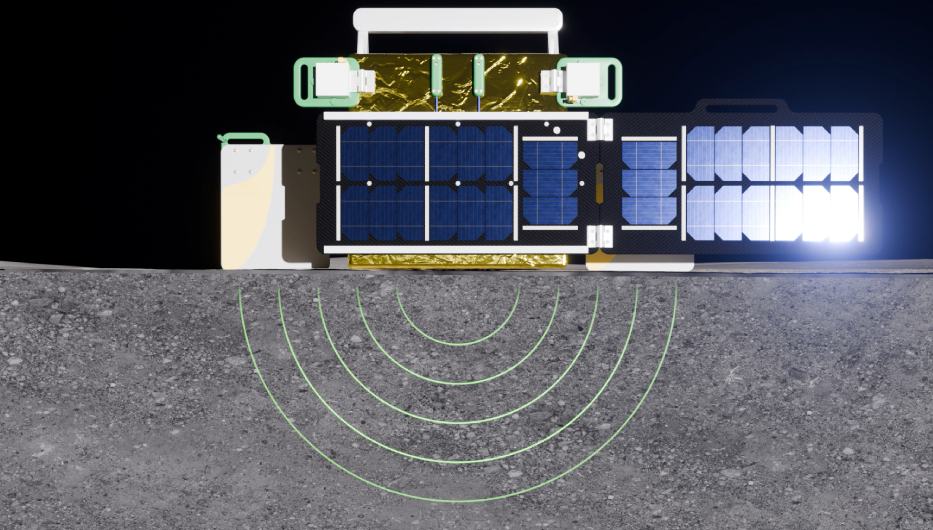
Use LDA as a case study to investigate measurement principles and instrument design. Models and simulants support discussion of the instrument, while considering astronaut operations adds questions about deployment and handling.
International teaching and research exchange
International collaboration is part of everyday learning in our laboratory. Discussions and joint work with overseas researchers connect students with real exploration missions.
Developing LDA with NASA
We develop the Lunar Dielectric Analyzer (LDA) under a direct contract with NASA. Miyamoto visits NASA almost every month for the development work, while NASA researchers and engineers also visit our laboratory, sustaining an active exchange.
CACE and Colorado School of Mines
Through the international alliance CACE, we exchange visits and collaborate with Colorado School of Mines. Space resources provide a shared focus for discussions with researchers overseas.
MMX and researchers visiting Tokyo
MMX brings many international researchers to our laboratory, and our students also participate in MMX research. Global Fellow Patrick Michel frequently visits Tokyo as a member of the laboratory, maintaining close research collaboration.
Teaching and research exchange with Adelaide
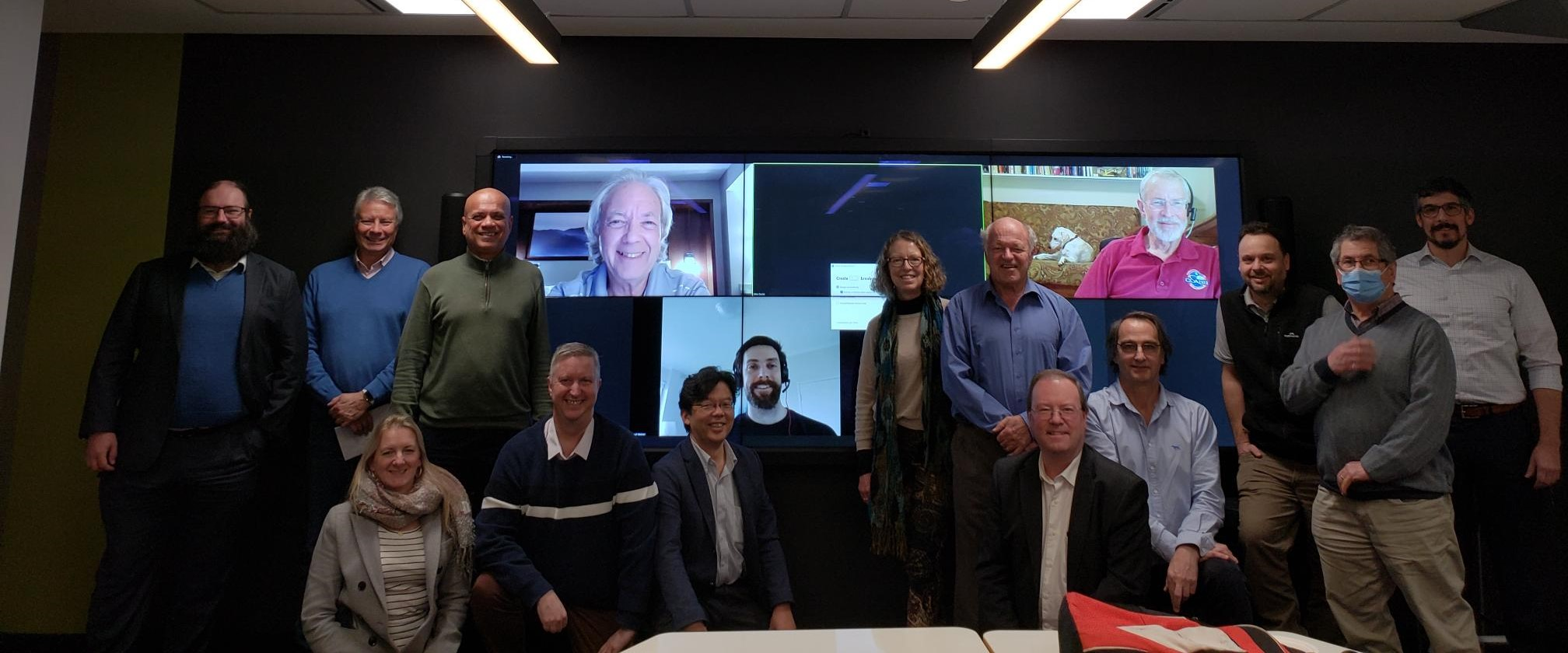
Japan–Australia exchanges in 2022–2025 included Space Resources Fundamentals teaching in Adelaide and visits by researchers to Tokyo. Discussion with people from different disciplines and backgrounds creates opportunities to examine shared questions from several perspectives.
Teaching archive
Existing course and exercise pages are retained in their original language, primarily Japanese. Course-restricted pages retain their password protection. Please check the date and academic year on each resource.
- 工学シミュレーション(前半・宮本担当分) (course access)
- 工学シミュレーション(前半・宮本担当分)_2024年 (course access)