


MIYAMOTO LAB / THE UNIVERSITY OF TOKYO
Planetary surfaces.
Space resources.
We study the surfaces of the Moon, Mars, and asteroids—their materials, physical conditions, and environments. Spacecraft observations, experiments, and numerical modeling connect planetary evolution with resource exploration.
FROM MIYAMOTO LAB TO GLOBAL COLLABORATION
A laboratory connected
to a global research community
Through CSRI, directed by Hideaki Miyamoto, our science, instrument development and researcher training connect disciplines across the University of Tokyo with international partners.
ARTEMIS / LDA
Back to the Moon.
Artemis and LDA.
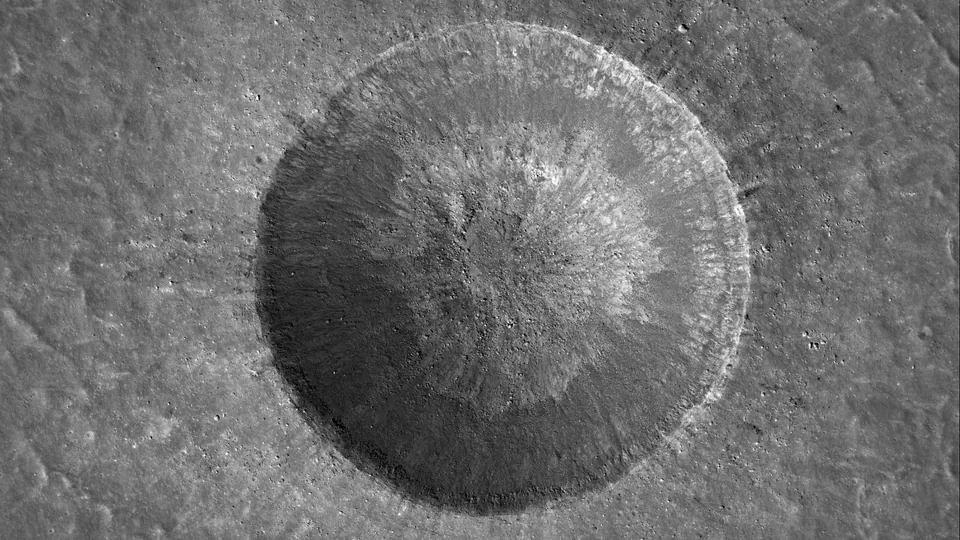
Artemis aims to return astronauts to the lunar surface for the first time since Apollo, more than half a century ago. LDA is being developed as a science instrument for astronauts to deploy on the Moon.
One of three instruments selected through NASA’s global call, and the only one led from outside the United States. The University of Tokyo-led international team was chosen in NASA’s first selection, announced in 2024.
Hideaki Miyamoto serves as PI and Makito Kobayashi as Deputy PI. Under a direct contract with NASA, the team is developing LDA to measure the electrical properties of lunar soil and help reveal shallow subsurface structure and water ice.
SPACE RESOURCES & INNOVATION
Leading lunar resource development.
The SX R&D programme.
Principal Investigator: Hideaki Miyamoto. The University of Tokyo leads this centre for lunar space-resource development, selected under JAXA’s Space Strategy Fund SX programme.
Funding ceiling: ¥3.18 billion*
For the centre’s entire programme, including shared research infrastructure funding.
* Subject to change following stage-gate reviews and other assessments.
We connect resource exploration, collection, extraction, storage and use with technology demonstrations, industry collaboration and education. Working with CSRI, the programme brings together science, engineering and the institutions needed for space-resource use.
MISSION HIGHLIGHT / MMX
From the mission’s origins
to the geology of Mars’s moons.
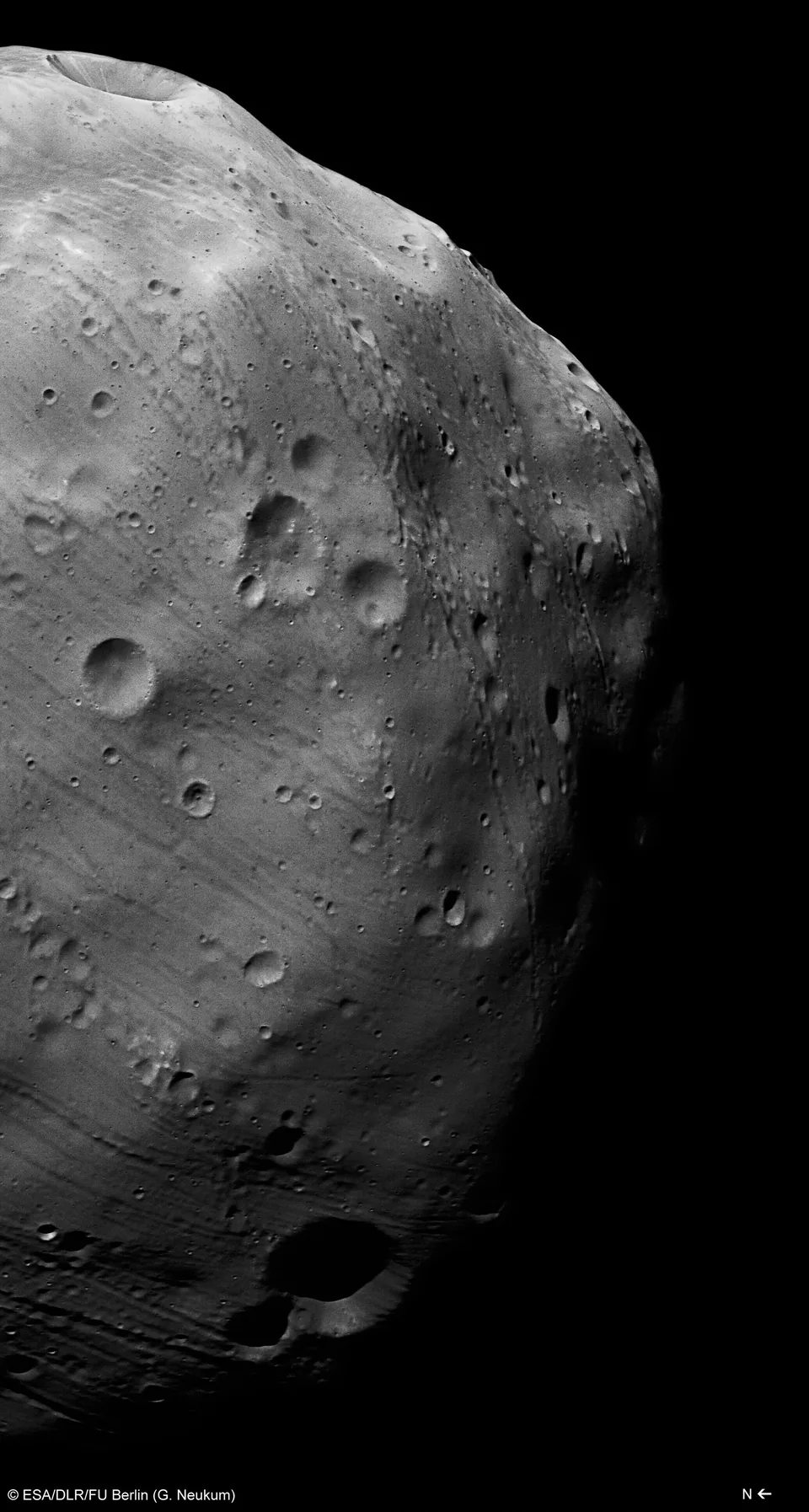
Miyamoto serves on the MMX Science Board and leads SSG-SST. Together with our students, we connect surface geology, laboratory experiments and Phobos simulants to support the mission.
OUR LABORATORY
From exploration
to possibility.
Understanding a world comes before using its resources. We begin with the surfaces of the Moon, Mars and asteroids, and connect planetary science with exploration technology, analogue materials, resource utilization and society.
Through mission data, experiments and numerical modelling, we work across science and engineering to develop the emerging field of space resource studies.
RESEARCH
New worlds.
Fundamental questions.
01 / EXPLORE
LDA: a science instrument for Artemis
One of three astronaut-deployed instruments selected by NASA in 2024, and the only one led from outside the United States. Miyamoto serves as PI.
02 / DEVELOP
Planetary simulants: purchase & supply
Materials representing the Moon, Mars and Phobos for instrument tests, space-resource research, education and exhibitions.
03 / ANALYZE
AI analysis of rock particles
Automatically detect particles and measure size, shape and distributions in images, with applications in mining, construction and disaster-risk reduction.
NEWS & UPDATES
From the laboratory
JOIN OUR LAB
Bring your next question.
Mission data, experiments or numerical modelling: we help you develop a research direction from your interests and strengths.